
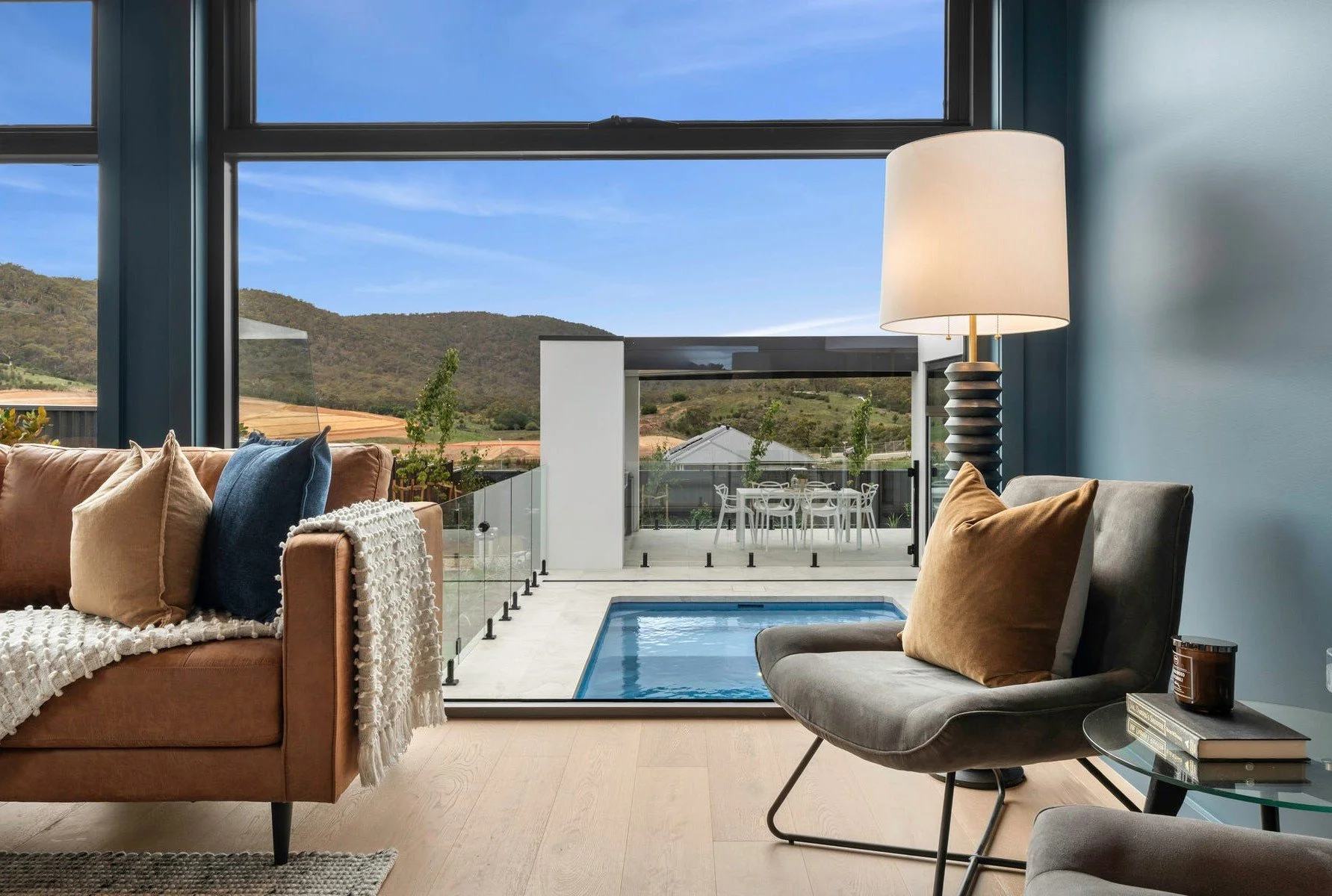
When you're preparing your home for sale, there are the obvious things to do: declutter, clear the kitchen benches, tidy the bathrooms and put away the everyday mess.
But there are some other things we think deserve a mention.
When buyers walk through your home, we want them imagining themselves living there.
We want them thinking about where their sofa would go, which bedroom their children would choose, where they'd have friends over for dinner or where they'd sit with a coffee on a Sunday morning.
That's the headspace we want them in.
And it's surprisingly easy to take them out of it.
They see a wall of family photographs and suddenly they're thinking, "I wonder who lives here?"
They spot an unusual collection and start wondering, "What's the story behind that?"
For those few moments, they've stopped imagining themselves living in the home.
And that's the key point. Something doesn't have to be offensive, or even something a buyer dislikes, to be a distraction. Sometimes simply being interesting is enough.
There are also things that can create a much stronger reaction. Buyers come from different cultures, religions, backgrounds and life experiences. Something completely ordinary to you may have very different associations for someone else.
This isn't about judging what you have in your home.
It's about asking a very simple question:
Does the buyer need to see this?
If the answer is no, it's usually better packed away for the sales campaign.
Family Photos & Highly Personal Displays
Let's start with the obvious one.
Family photographs are lovely in a home. But when you're selling, large displays of wedding photos, school portraits and family photographs can work against what we're trying to achieve.
The buyer starts looking at the people.
"I wonder who they are?"
"How many children do they have?"
"I wonder what they do?"
And now they're thinking about your family instead of picturing their own in your home.
Political Material
Political signs, posters, slogans, campaign material and strongly political artwork are best packed away.
Your buyer may completely agree with you.
They may completely disagree with you.
Neither is useful when you're trying to sell them a house.
Religious Items
Religion is deeply personal, so recommending that religious items be removed isn't a judgement about anyone's beliefs.
It's about the buyer experience.
Religious objects immediately tell buyers something personal about the people who live in the home. That alone can take them from "I could live here" to "I wonder who lives here."
And for someone from a different religious or cultural background, an item may have associations that you simply haven't considered.
For the relatively short time your property is being marketed, we'd recommend packing religious items away.
Alcohol
This one often surprises people, particularly because alcohol is commonly used as a property styling prop.
Champagne and glasses on the dining table. Spirits on a drinks trolley. Wine arranged on the kitchen bench.
We generally don't style with alcohol.
Alcohol isn't neutral for everyone.
For some buyers, alcohol is prohibited by their religion. For someone who is recovering from alcohol addiction, or who has experienced addiction within their family, a bottle of champagne may provoke a very different reaction from the sophisticated entertaining image you were hoping to create.
So why introduce it when you don't need to?
There are exceptions.
If a home has a wine cellar, a dedicated built-in bar or an impressive built-in wine rack, using wine can help communicate the purpose of that feature.
In those situations, it makes sense.
Otherwise, we can create a beautiful entertaining space without alcohol.
Culturally Sensitive Décor
Some items that have become commonplace in interiors have cultural meanings or associations that aren't necessarily obvious to the person displaying them.
Children's teepees are one example.
They became an incredibly popular children's décor item, but they reference something culturally significant and may be viewed very differently by someone from that culture.
Similar considerations can apply to ceremonial pieces, culturally significant artwork, costumes and decorative objects borrowed from other cultures.
We're not suggesting you need to become an expert on every culture before selling your home.
Just ask:
Does this need to be here?
If something serves no real purpose in presenting the property and there's a possibility it could make someone uncomfortable, putting it away is easy.
Taxidermy
Taxidermy is one of those things people tend to have strong opinions about.
If it's your thing, that's fine.
But animal heads, skins and stuffed animals can be genuinely confronting for some buyers.
And even for someone who isn't bothered by taxidermy, it can become an enormous distraction.
You don't want the conversation after the open home to be:
"Which property was that?"
"The one with the giant deer above the fireplace."
We'd also include real cowhide and other animal-skin rugs in this category. They're commonly used in interiors, but for a vegan buyer — or simply someone who feels strongly about the use of animal products — a real hide on the floor may create an immediate negative reaction.
Again, it comes back to the same question: does it need to be there?
Knives, Swords & Similar Items
In Australia, we're unlikely to walk into many homes with firearms displayed on the wall, but we do occasionally see ceremonial swords, decorative knives and other bladed objects used as décor.
Put them away.
There's a security consideration during open homes, but they can also simply make some buyers uncomfortable.
And while we're talking about knives, we'd include the kitchen knife block.
A row of knives displayed on the kitchen bench doesn't add anything to the presentation of the room and can feel visually harsh. Exposed knives can also be regarded negatively in feng shui because of their association with sharp or cutting energy.
You don't need to believe in feng shui yourself. A potential buyer might.
Put the knives safely in a drawer or cupboard for the duration of the sales campaign.
Unusual or Overwhelming Collections
We love homes with personality.
But sometimes a collection becomes the room.
Dolls, skulls, horror memorabilia, figurines, model collections or hundreds of pieces devoted to a particular interest can completely dominate a buyer's experience of the space.
The collection doesn't have to be strange or controversial, either.
It simply has to be interesting enough that buyers stop looking at the property and start looking at the collection.
You don't want to be remembered as "the doll house" or "the house with all those figurines."
Pet Paraphernalia
We love pets.
Not every buyer does.
Litter trays, food bowls, pet beds, cages, toys and other obvious pet items should be removed for photography and, where practical, for open homes.
And don't forget smell.
People become accustomed to the smell of their own home — pets included. A buyer walking through the door for the first time won't have that same familiarity.
If you have a large pet setup that simply can't be removed, make it as clean, tidy and unobtrusive as possible.
Fridge Magnets, Children's Artwork & Family Noticeboards
This isn't just about clutter.
Your fridge can tell a stranger an extraordinary amount about your life.
Family photos. School notices. Children's names. Sporting clubs. Appointment cards. Invitations. Calendars. Holiday magnets. Bills.
A buyer starts reading and, once again, they're thinking about the people who live in the house.
Clear the fridge completely.
Do the same with family noticeboards and highly personal children's displays where practical.
Children's rooms should still feel like children's rooms — they just don't need to tell buyers everything about the particular child who sleeps there.
Toiletries & Bathroom Products
This is one that even property stylists sometimes get wrong.
Please don't style a bathroom with toothbrushes.
We occasionally see styled properties where toothbrushes have deliberately been placed in a bathroom vignette.
We don't need buyers thinking about you brushing your teeth.
Put away toothbrushes, razors, medications, toothpaste and other obviously personal bathroom products.
That doesn't mean bathrooms need to be completely bare. Beautiful shampoo and conditioner bottles, hand soap, towels, plants and carefully selected bathroom accessories can all work beautifully as part of the styling.
It's about choosing products that add to the presentation rather than displaying the everyday personal items of the people who live there.
And put the toilet lid down.
Always.
Valuables, Medication & Personal Information
Some things should disappear for reasons that have nothing to do with styling.
Open homes involve strangers walking through your property.
Jewellery, cash, prescription medication, passports, financial documents and anything containing personal information should be removed or securely locked away.
Don't assume something is safe because it's in a built-in cupboard.
Buyers can open cupboards and wardrobes to inspect the storage. Children also have a remarkable ability to open the one thing you hoped nobody would touch.
If it's valuable, private, irreplaceable or potentially dangerous, secure it properly.
Cleaning Products, Bins & Household Equipment
Mops, buckets, vacuum cleaners, washing baskets, cleaning sprays and bins are all part of normal life.
But they're not part of the life we're trying to sell.
They make people think about chores.
We want someone looking at a beautiful outdoor entertaining area and imagining friends, food and a summer afternoon — not noticing the wheelie bins lined up beside it and remembering that it's bin night.
Pest Traps
Mouse traps and cockroach baits don't just look unattractive.
They immediately introduce a question:
Why are they there?
And once buyers start wondering whether there's a pest problem, they may begin looking for evidence of one.
Deal with the pest problem, of course — but don't leave traps and baits scattered around during photography or inspections.
Strong Scents
You can't see this one, but it absolutely belongs on the list.
If buyers notice the fragrance before they notice the home, it's too much.
A house filled with strongly scented candles, diffusers, plug-ins and air fresheners can be overwhelming.
Fragrance is incredibly personal. A scent you love may be unpleasant to someone else, and artificial fragrances can cause an immediate physical reaction for some people. We've known buyers who have developed a headache almost as soon as they've walked into a heavily fragranced home and have had to cut their inspection short.
There's another issue.
Walk into a house that is overwhelmingly fragranced and buyers may immediately wonder:
What are they trying to cover up?
Pet smells? Cigarette smoke? Damp?
Now they're searching for a problem that may not even exist.
Your home should smell fresh and clean.
Clean is the best smell.
And Finally… You
This might be the most important thing on the list.
If possible, don't be home during buyer inspections.
Your presence changes the way buyers behave.
They're less likely to speak freely. They may feel uncomfortable opening cupboards. They may rush through rooms because they feel as though they're intruding.
And, most importantly, it's almost impossible for a buyer to mentally make the home theirs when the person who actually owns it is standing there.
You may want to tell them where the afternoon sun comes through, how lovely the neighbours are or why that room works so well.
Let the agent do that.
Give buyers space to wander around, talk to each other and start mentally moving in.
It's Not About Making Your Home Soulless
Removing personal belongings doesn't mean stripping every ounce of personality out of your home.
A property prepared for sale should still feel warm, interesting and welcoming.
In fact, creating that emotional connection is a huge part of good property styling.
But there's a difference between creating personality and displaying your personal life.
When buyers walk through the door, we want them thinking about their furniture, their family, their weekends and their future.
Not wondering who you are.
So when you're deciding whether something should stay or go, ask yourself:
Does this help the buyer imagine living here?
If it doesn't, they probably don't need to see it.
Image credit: Sold On Styling.